Potomac Station Post Office Building

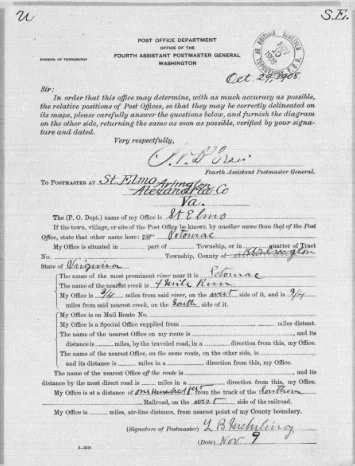
Survey of the St. Elmo Post Office from 1908, the year that the Town of Potomac was formed.

Originally published in the December 2025 edition of Greet Del Ray.

The residential developments of Del Ray and St. Elmo were established in 1894, and in early 1895, the United States Postal Service approved a proposal to open a St. Elmo Post Office in what is today Oakville triangle. When the Town of Potomac was formed, the Post Office was renamed Potomac Station. By the late 1920s, the post office had moved to a new building at the corner of Mt. Vernon and Del Ray Avenues (now The Dog Store). When the Town of Potomac was annexed into the City of Alexandria in 1930, the Potomac Station Post Office moved up the street to 2007-9 Mt. Vernon Ave (now Del Ray Picture Framing and Del Ray Balloon Boutique).

The Henry Knox Field Masonic Lodge Number 349 was chartered in early 1925. It used the Town Hall of Potomac as its headquarters for two decades. By late 1945, the lodge had raised the funds to purchase the lot at the corner of Mt. Vernon and Howell Avenues to construct a new headquarters. The building permit estimated construction costs at $60,000, and it was designed from the start to house a post office on the ground floor. Once construction was completed in 1946, the Potomac Station Post Office was the first to move into the building. By 1952, the lodge was fully installed on the top floor of the building. In the mid-1950s, the lodge rented out the middle floor to the Eastern Photographic Unit of the United States Department of Agriculture’s Cartography Section.

Del Ray fell on hard times in the 1970s and 1980s, and the Lodge shared those hardships. As the membership and fortunes of the Lodge dwindled, the building went into foreclosure in 1993. The current owners purchased the property at the end of 1993. Throughout their ownership, they continued to rent the ground floor to the Post Office, while other businesses occupied the upper floors. As Del Ray began to prosper again and celebrate its history, the Potomac Station Post Office has been a reminder of the historic Town of Potomac. To this day, Potomac, VA is still a valid postal address for the 22301 zip code.

The origins of Art on the Avenue

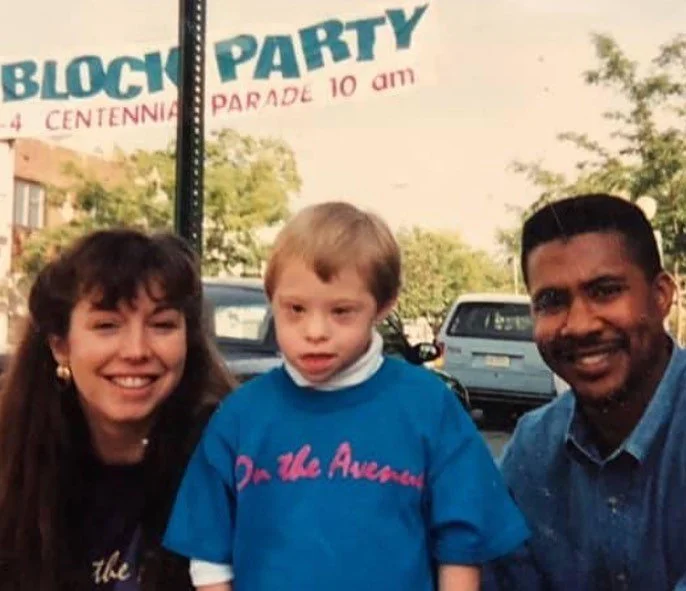
Block Party 1994 co-chairs Gayle Todsen Reuter from the Civic Association and Joe Pettiford from the City along with local resident Ryan Bailey.

Originally published in the October 2025 edition of Greet Del Ray.

In an effort to bring Del Ray out of its economic depression of the 1980s, the City began offering grants to restore properties. Using grant funding, Dennis Reeder restored the property at 2003 Mt. Vernon Ave. To celebrate its completion in 1991, he threw a block party in front of his building with the help of community leaders like Nancy Dunning and the generosity of local businesses such as Jack Taylor Toyota. The event, which included food and music, proved wildly popular, and the City paired with civic leaders to continue the parties over the next few years, culminating with the Del Ray Centennial Parade in the fall of 1994. When the “On the Avenue Block Party” ended, the community was looking for something to replace it.

Pat Miller had recently moved to the neighborhood, and inspired by a street art fair in Ann Arbor, she launched “Art on the Avenue” in 1996. With only a handful of artists available, she invited various vendors from Eastern Market and other D.C. markets to fill out the event. Initially, Police Chief David Baker minimized charges to the event, and Forum One sponsored children’s activities. The local support allowed the event to thrive and grow. For the second year, Paul Haire and local realtor Patty Miller took over the event. Patty was well connected in the art community and expanded the event, beginning juried entries of artists. Pat Miller stepped back in for the subsequent years to help the event continue.

The event has grown exponentially since its early days. Originally having only few artists in three blocks managed by two volunteers, it now has more than 600 artists applying for 325 positions in ten blocks and requires 250 volunteers to manage all the activities. The amount of food, music and activities have all expanded. Costs incurred by the organizers have grown ten-fold, including around $30,000 paid in fees paid to the City. Thanks to the continued support of the community, Art on the Avenue remains a thriving annual event which not only brings the community together but also exposes a variety of other people to our wonderful neighborhood.

Town of Potomac’s first mayor: Joseph Edward Supplee

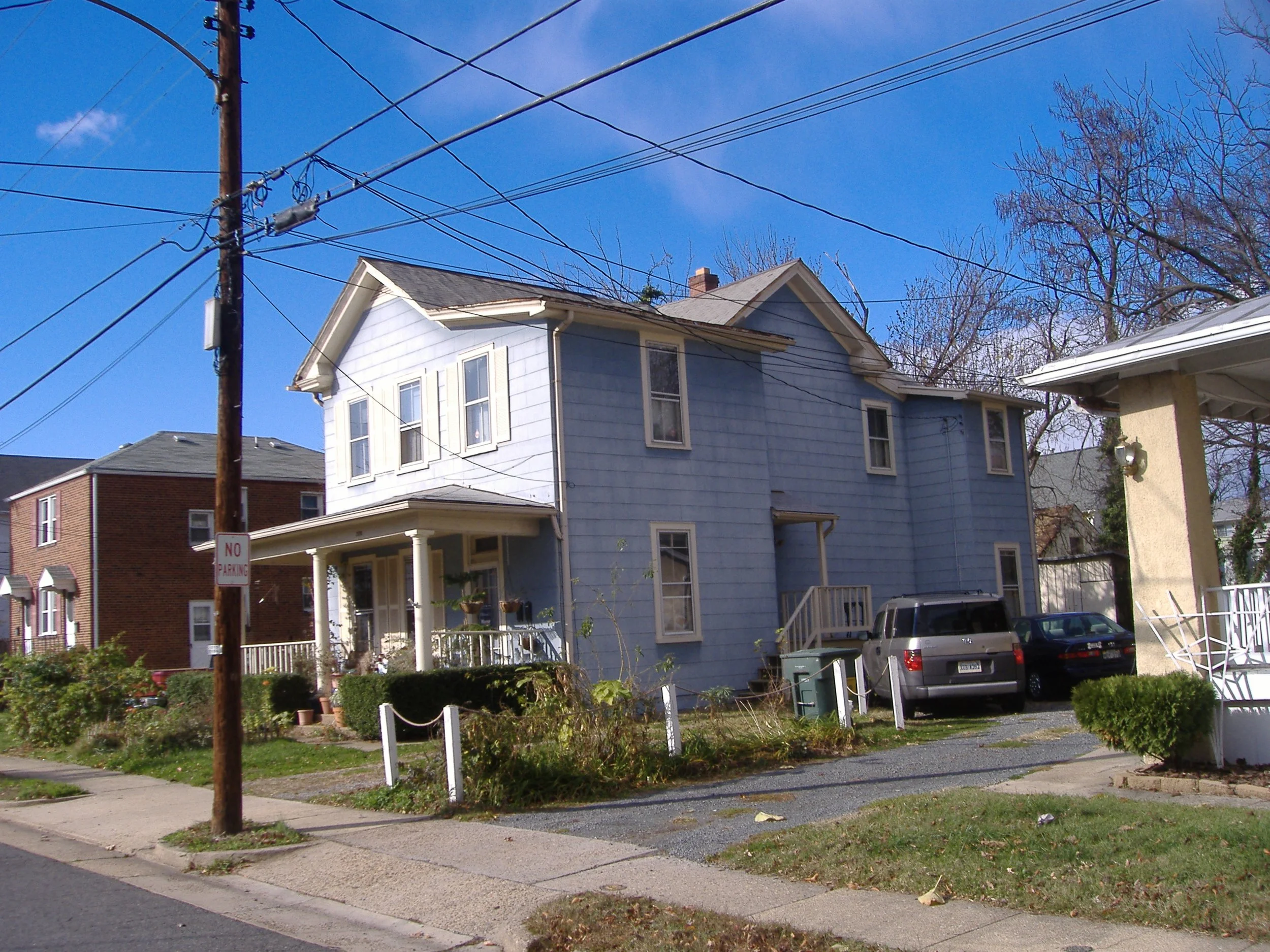
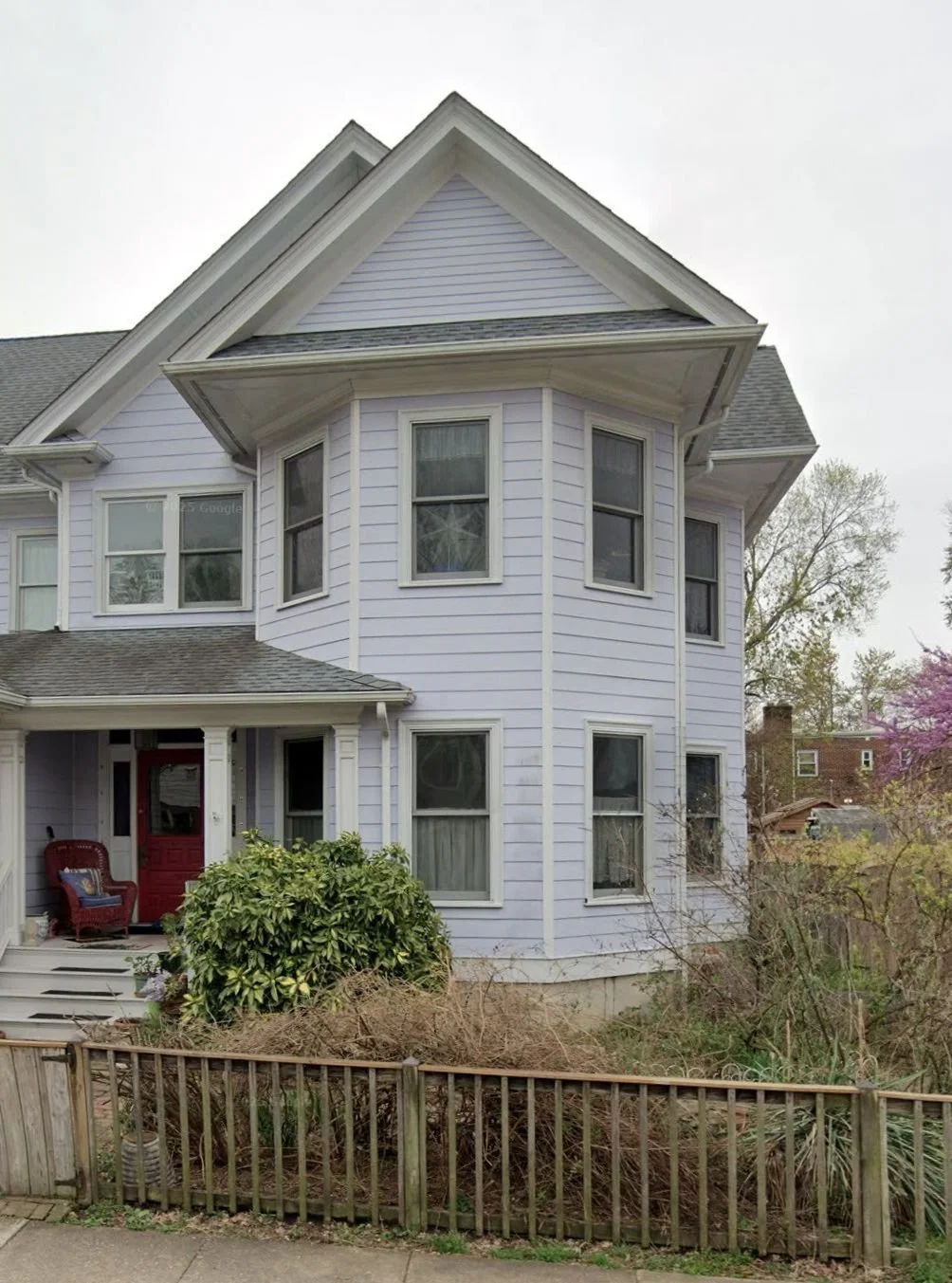
House originally built by Joseph E. Supplee

Originally published in the August 2025 edition of Greet Del Ray.

One of Del Ray’s earliest residents was Joseph Edward Supplee, the son of an Irish immigrant who worked on the railroads in Martinsberg, WV. Supplee and his wife Mildred moved to Northern Virginia and built their home on the southwest corner of Howell and LaGrande Avenues in 1895.

The Supplees had a son when they moved to Del Ray, but the family grew while they were there. Two more sons and a daughter were born between 1896 and 1906. The suburb of Del Ray proved to be an ideal location to raise their four children.

Supplee was active in politics from an early age and was elected Chairman of the Democratic Committee for Jefferson District (southern Arlington) in 1896 at 27 years old. He served on the School Board representing his district in 1899. By 1905, he was serving as Justice of the Peace for his district. When the citizens gathered to consider improvements to the county’s government in 1907, Supplee served on the subcommittee organized to draft the measures.

When the Town of Potomac was formed in March 1908, Supplee was a natural selection to be the interim mayor to manage the new Town until the first elections were held on 1 September 1908. In that role, he oversaw the creation of the Town’s government and the first elections.

Despite his pivotal role in the creation of the Town of Potomac, Supplee did not remain there much longer. A printer by trade, he began working as a linotype operator at the Washington Evening Star newspaper. He moved his family to Washington DC around 1912. Although he left over 100 years ago, the home he built remains.

Town of Potomac’s first sheriff: Richard Henry Roberts.

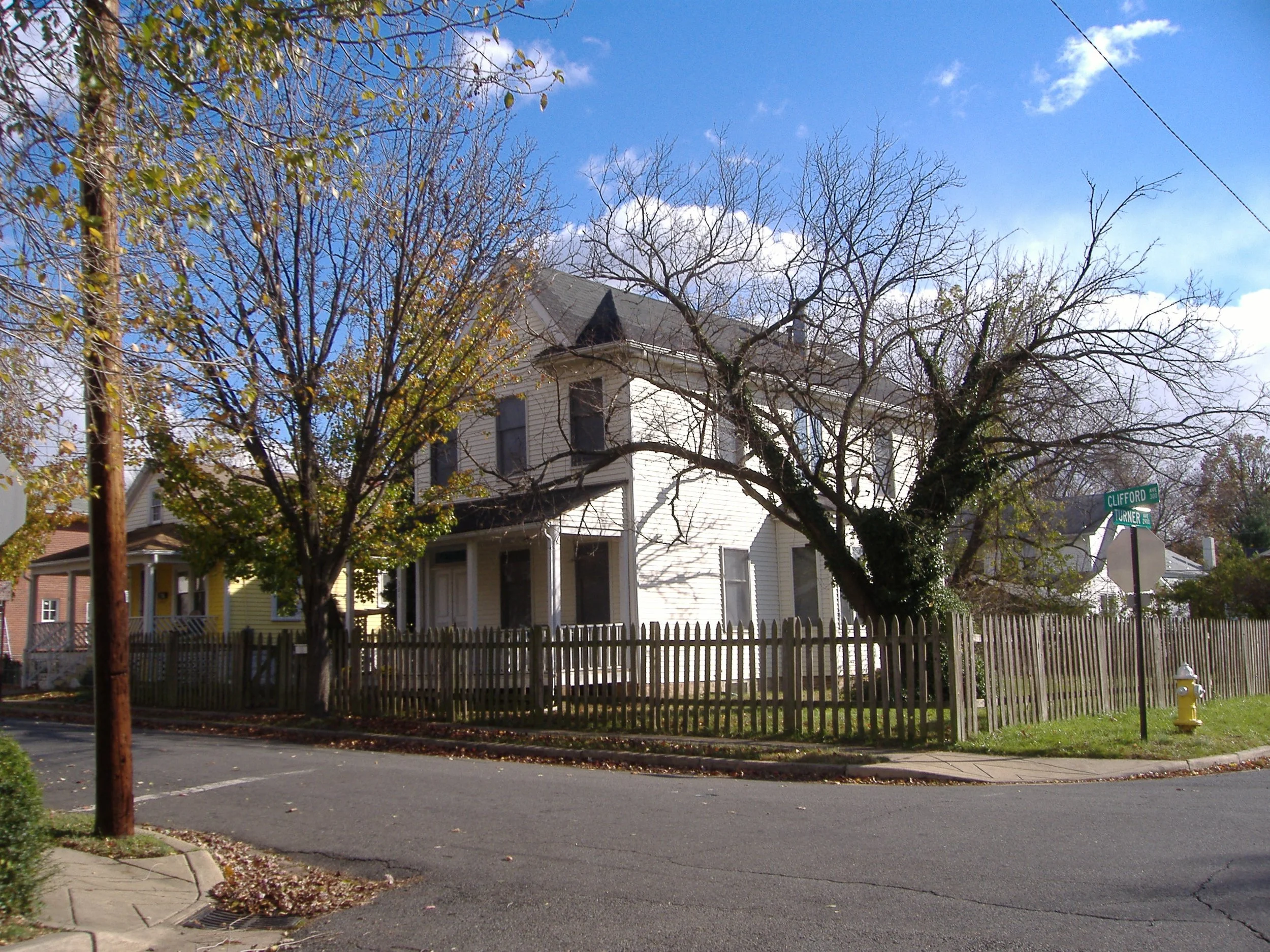
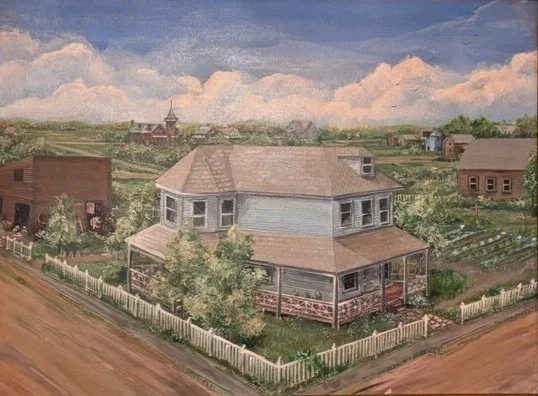
Artist’s impression of Richard Henry Roberts home around 1926 by Casey Durrett of Pena Haku.

Originally published in the June 2025 edition of Greet Del Ray.

In 1904, one of the homeowners displaced by the construction of Potomac Yard was Richard Henry Roberts. The Roberts family had moved to the area during the Civil War. Richard and his brother Edward had built adjacent homes where Slater’s Lane and Powhatan St. currently intersect. After selling their homes to the railroad, the brothers moved to Del Ray. Edward built his new home at the corner of Mt. Vernon and Windsor Aves, where he raised his eight children.

Richard built a folk Victorian house of a common design in the region at that time. Sitting on the Southwest corner of Del Ray & DeWitt Aves., the house featured a wrap-around porch facing both streets. Richard was a teamster when he moved to Del Ray, and he constructed a small barn on his property which no longer exists. He and his wife Annie never had children, though they rented out rooms in the house to neighbors and relatives. Richard was a community leader serving on several juries and investing in the community. When the Town of Potomac was formed in 1908, Richard was appointed as the acting Sergeant of the Town until the first elections could be held. In that capacity, he served as the equivalent of Alexandria’s sheriff.

After his wife Annie died in 1920, Richard remarried and moved away. The house was sold and modified over the years. The rear portion of the house and side porch was removed in the early 1920s. The house underwent a major renovation in the 1950s. In the 1970s, the foundation was rebuilt and the side porch was enclosed to create more living space. The current owners returned the house to its original footprint in 2014, restoring the wrap-around porch which serves as a gathering spot for neighbors. The house was featured in the 2016 Home & Garden Tour.

1913 Mt. Vernon Ave.

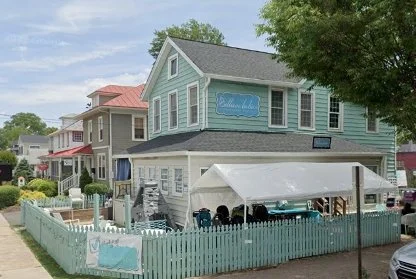
Bellies & Babies in 2021

Originally published in the April 2025 edition of Greet Del Ray.

Del Ray was created as a residential community, and many of the buildings constructed next to Mt. Vernon Ave. were single family homes. Over the years, most of these have been converted to businesses, such as the Del Ray Pizzeria building (see the February 2025 issue of Greet Del Ray). One such conversion is at 1913 Mt. Vernon Ave.

These lots at the corner of Mt. Vernon and Howell Aves. were originally purchased in 1894 by the Alexandria newspaper publisher Alexander Doniphan for his suburban home. The house was constructed as a folk Victorian with a porch wrapping around both the Howell and Mt. Vernon sides. The design was a common one seen around the Washington suburbs in the late 1890s and early 1900s. The original address of 101 E. Howell Ave. was changed to 201 with the 1940 renumbering throughout Del Ray. After a decade of living in Del Ray, Doniphan moved back to Old Town and sold the house to Stephan Feagan, an insurance salesman. Stephen gave the house to his son Ernest when he married in 1914, and Ernest’s wife lived there until 1960, long after Ernest passed away.

After the Feagan family sold the house, it remained vacant for several years until the Eastern Drag Newspaper converted it to their offices in 1964, changing the address to 1913 Mt. Vernon Ave. in the process. It changed hands two years later and became the offices of the building maintenance firm E & R Corporation, which remained there until 1975. Del Ray had fallen on rough times in the 1970s and 1980s. After 1975, this building was largely vacant until Ashton Decorative Hardware occupied it throughout the 2000s. In 2010, after Ashton’s closure, Bellies & Babies occupied the building for the next 15 years. When Lee Raynes, the current owner of Bellies & Babies, decided to retire, the building came available again. Jay Portlance, the owner of the Del Ray Hardware Store, has now obtained a lease and is creating the Del Ray Farmhouse Market & Garden store to provide the community with a new garden center. This property will remain commercial for the foreseeable future.

2000 Mt. Vernon Avenue

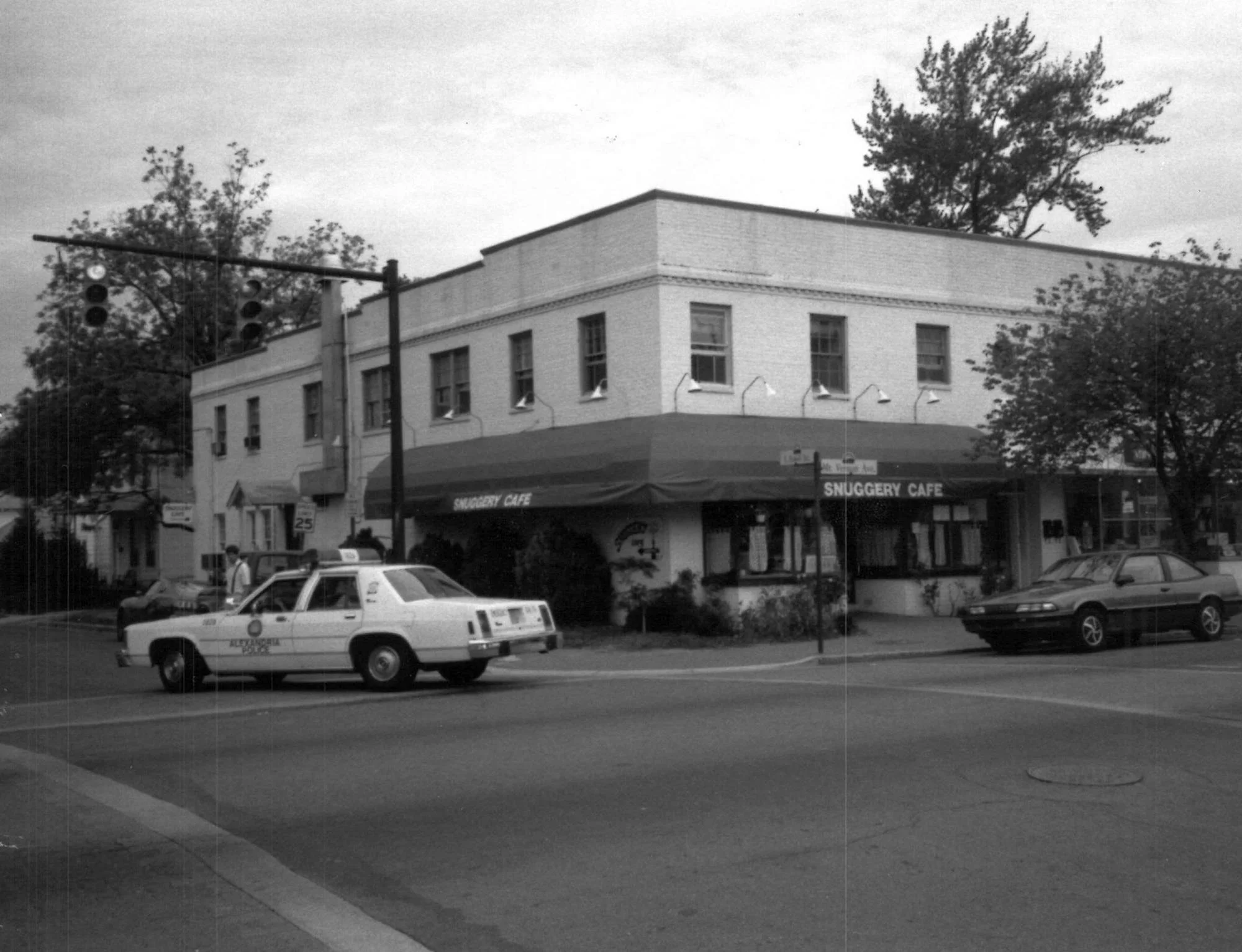
Snuggery Cafe in 1991

Originally published in the February 2025 edition of Greet Del Ray.

The building at 2000 Mt. Vernon Avenue has been one of the cornerstones of Del Ray since 1938. Starting in 1933, David Glassman, whose family owned the property, operated Potomac Hardware here in a building dating back to the turn of the century. By 1938, the family had accumulated enough wealth to tear down the original building and build the current structure intended to house two stores on Mt. Vernon Ave. and several apartments above and behind. Potomac Hardware reopened on the right, and Max Rumshin moved his grocery store from the 2200 block of Mt. Vernon Ave into the store on the left, renaming it the Mt. Vernon Food Center. Rumshin and the Glassman family occupied three of the apartments in the building. During World War II, Potomac Hardware was replaced by the Del Ray Drug Store. Glassman passed away in 1972, and the Mt. Vernon Food Center closed shortly thereafter. Glassman's widow sold the property in 1975, ending the tenure of the Del Ray Drug Store. Despite a few efforts by the new owners, the storefronts were entirely vacant by 1979, a reflection of the economic hard times in Del Ray. Around 1987, The Snuggery Cafe found the right mix to be successful in a less affluent neighborhood. However, as the neighborhood's fortunes improved, The Snuggery became less popular, and its business suffered. By 1997, the neighborhood was ready for a more upscale establishment, and The Evening Star Cafe replaced The Snuggery Cafe. The new owners turned Mr. Rumshin's old apartment into The Majestic Lounge, located behind the restaurant. When this proved popular, they expanded by converting apartment No. 9 upstairs into the No. 9 Lounge, which has since absorbed the adjacent apartment as well. The bathroom of the No. 9 Lounge still has the original shower tiles, betraying its past as a residential apartment.

History of High Density Housing in Del Ray

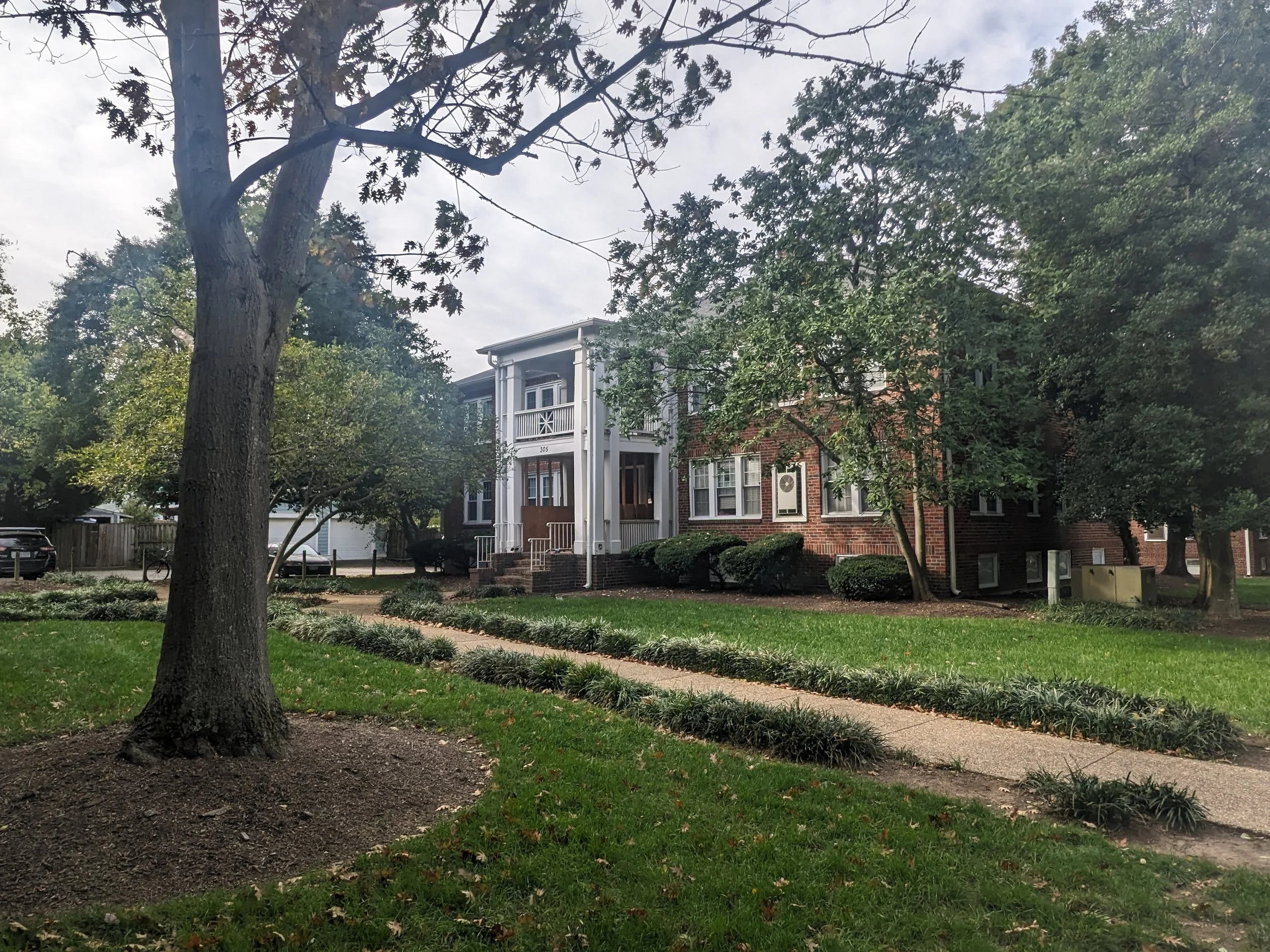
The first large apartment complex in Del Ray was converted to condominiums in 1991.

Originally published in the December 2024 edition of Greet Del Ray.

Del Ray was originally envisioned as a suburban community of single family homes. However, the growth of the federal government from the late 1930s through the mid-1950s created a demand for higher density housing. The transportation corridors that made Del Ray an ideal location for commuters in the first place (see the February 2023 issue of Greet Del Ray) made it good for renters as well. The first large apartment complex in Del Ray was a series of nine buildings at the corner of Duncan and Dewitt Aves. Called the Raymond Apartments, the complex began renting units in late 1937. Six months later, the Brenton Court Apartments began leasing their first buildings on E. Glendale Ave. Then Auburn Gardens was constructed in 1939 and began leasing in 1940.

Not everyone was in favor of the growth of apartment complexes at this time. The Federal Housing Administration was called before Congress to defend its underwriting of projects like Auburn Gardens. Virginia Representative Clifton Woodum questioned why apartments were “going up like mushrooms” in the Washington suburbs.

America’s entry into World War II exponentially expanded the size of the federal government, and by extension the demand for apartments. Numerous other garden style complexes were built in and around Del Ray during and after the war.

After World War II, the demand for housing led to the remaining available space in Del Ray being filled with row houses (like Warwick Village) and semi-detached houses. Available land for larger buildings was becoming rare. When Helen Calvert died in 1964, her Mount Auburn estate (see the October 2023 issue) was bought by developers seeking to maximize the density of apartments. Her estate was divided into two high-rise apartment complexes: The Calvert (now called Del Ray Tower) on Mt. Vernon Ave. and The Landover House (now called The Aspen) on Landover Ave.

The maintenance costs and weakening demand for apartments in Del Ray during the 1970s & 1980s made it more profitable to convert some of them into condominiums. In 1980, Auburn Gardens Apartments was converted into Auburn Village Condominiums. A decade later, Raymond Apartments was converted into the Alexandria Square Condominiums. But, the demand for apartments has not waned. These apartment complexes have been replaced by newer construction such as Del Ray Central. The trend will continue as long as the demand remains.

Washington, Alexandria and Mount Vernon Electric Railway

Electric Railroad passing over Four Mile Run in the 1920s from the Town Of Potomac Historical Association.

Originally published in the September 2024 edition of Greet Del Ray.

el Ray was established based on the availability of transportation, and one of those transportation lines was the Washington, Alexandria and Mount Vernon Electric Railway, which provided trolley services between Washington, D.C. and Mount Vernon. Chartered in 1890, this trolley system replaced the ferries that took tourists to Mount Vernon. When the system began planning expansion north of Alexandria in 1892, Charles E. Wood purchased land along the planned route to create Del Ray (see the April 2023 issue of Greet Del Ray). By 1896, the trolley system extended to Washing and Rosslyn, making it the longest streetcar line in the world.

In Del Ray, the trolley ran along what is today Commonwealth Avenue. It had two stops in Rosemont before entering what is today considered Del Ray. The Del Ray stops included near Alexandria Ave., Monroe Ave., Bellefonte Ave., Del Ray Ave., Mt. Ida Ave. (near the Duncan Library, where you can find a historical marker), Hume Ave., and near Ashby St. (which served as a transfer to the W&OD Railroad - see the June 2024 issue).

Initially, the presence of the trolley made Del Ray a convenient place to live for commuters to Alexandria and Washington. However, as more roads were paved (see the November 2023 issue) competition from bus lines and poor investment decisions led to the demise of the Electric Railway. The company went into receivership in 1923 and ceased operations in 1927. The right of way south of Alexandria was purchased by the Federal Government and turned into the George Washington Memorial Parkway. For a brief time, the trolleys operated north of Alexandria under new ownership, but all operations ceased in 1932. Unable to afford the cost of removing the tracks, the owners turned over the right of way to the City in lieu of removing the old tracks. The City then turned the right of way into Commonwealth Ave., while Arlington County turned it into S. Eads St. (You can read more about it on the Town of Potomac Historical Association website: https://potomacva.org/electric-railway.html)

Annexation of Jefferson District

Jefferson District in 1900 from the Virginia Title Company’s Map of Alexandria County.

Originally published in the August 2024 edition of Greet Del Ray.

In 1847, the portion of the District of Columbia on the west side of the Potomac River retroceded to Virginia creating Alexandria County (subsequently renamed Arlington County in 1920). The new Virginia constitution of 1870 divided counties into three “townships” which later became magisterial districts. Alexandria County was divided into Washington District in the north, Arlington District in the center and Jefferson District in the south. The same constitutional change made Alexandria City, which only extended up to First Street, separate from the County.

The northern border of Jefferson District ran from approximately the northeast corner of Arlington Cemetery to the intersection of Quaker Lane and King Street. At the time of its creation, Jefferson District was very rural, consisting of large farms, plantations and estates (see the August 2023 and December 2023 issues of Greet Del Ray). However, in the 1890s with the growth of transportation (see the June 2024 issue), small suburbs began to crop up between Alexandria and Washington. These included Braddock Heights (see the October 2023 issue), Addison Heights, Del Ray & St. Elmo (see the February 2023 issue). Similar growth occurred in the other districts with the villages of Rosslyn, Clarendon, Ballston, Bon Air, Glencarlyn, etc.

By the late 1920s, Alexandria sought to further expand its territories. On the premise of providing better services to its suburbs, like the Town of Potomac, Alexandria sought to annex the southern half of Jefferson District. In a contentious court case, Alexandria succeeded and the annexation took effect on 1 January 1930. The northern border of the city moved from First Street all the way up to Four Mile Run, almost doubling the size of the City. In response to this loss, the County passed several new ordinances preventing further annexations and reorganized into a County Manager form of government in 1932, which abolished the magisterial districts. Subsequently, Arlington County was treated as a consolidated entity more like a city than a county, and Alexandria looked west into Fairfax County for its next annexation in 1952.

W&OD Railroad

Washington & Old Dominion Railroad GE 95 Tonner #57, B&O Riverside Yard, Baltimore, MD, January 19, 1969, by Roger Puta via Wikipedia Commons.

Originally published in the June 2024 edition of Greet Del Ray.

Del Ray was established based on the availability of transportation, and one of those transportation lines was the Washington & Old Dominion (W&OD) Railroad. The railroad was originally constructed in 1855 passing through the Oakville Plantation (see the August 2023 issue) on its way from Alexandria to Leesburg. When Wood, Harmon & Company first laid out Del Ray in 1894 (see the April 2023 issue), the communities of Del Ray and St. Elmo straddled the W&OD rail lines. The rail line offered passenger service between Del Ray and Washington (via Old Town) or Vienna, Herdnon, Leesburg and beyond from the Alexandria Junction Station at Hume Ave. The railroad also offered cargo service which included several spurs into the new industrial park at Oakville Triangle.

In its heyday around 1911, the railroad’s passenger service was similar to today’s Virginia Railway Express (VRE), but it made the majority of its money hauling cargo from the Shenandoah to the Alexandria waterfront. The contract with the Postal Service to haul mail was all that kept the passenger lines profitable. When the Postal Service switched to trucks in 1951, passenger service on the W&OD came to an end. The railroad had struggled with profitability from the start and eventually went bankrupt in 1968. The last train rolled through Del Ray on 27 August 1968.

The railroad’s line through Arlington, Falls Church, Fairfax and Loudon became the W&OD Trail. However, in Alexandria, it was broken up. The major part of it through Del Ray became the Mt. Jefferson Park. The recent refurbishment of the park revealed several of the old rail lines that can be seen in the ground near the Stewart Ave. entrance. The park includes several historical markers about the railroad, including the “Bluemont Line” marker near the site of the Alexandria Junction Station. The Alexandria portion west of this park was developed into the Vernon Square office park and the Mount Vernon Court residential development. The railbed is still visible behind the Food Star, and the footer for the bridge over Russell Ave. is still visible across the street from the Grace Espiscopal School parking lot. These remnants serve as reminders of Del Ray’s railroad history … if you know what you are looking for.